
8.38 laminated glass
In the realm of precision manufacturing and quality control, threaded ring gauge and adherence to thread ring gauge standard are critical for ensuring component reliability. These tools and benchmarks are indispensable in industries where thread precision directly impacts safety and functionality. This article explores the fundamental role of threaded ring gauge and the importance of aligning with thread ring gauge standard to maintain industrial quality benchmarks. Key Features of Thread Rings in Quality Assurance Thread rings , as integral components of threaded ring gauges , possess specific features that make them essential for quality control. These rings are precision-engineered to replicate the exact profile of the internal threads they are designed to check, including parameters such as pitch, diameter, and angle. The accuracy of thread rings directly impacts the reliability of the measurement process, as any imperfection in their design can lead to false positives or negatives in thread inspection. One of the critical features of thread rings is their compliance with international and industry-specific standards. These standards dictate the dimensions, tolerances, and manufacturing processes for thread rings , ensuring consistency and interoperability across different manufacturing facilities and regions. Additionally, thread rings may be coated with protective layers to resist corrosion and wear, extending their service life in harsh industrial environments. Best Practices for the Use of Thread Gauge in Industrial Settings Proper usage of thread gauges is essential to maintain their accuracy and ensure reliable measurements. First, operators must thoroughly clean both the gauge and the component being inspected to remove any debris, oil, or contaminants that could interfere with the measurement. Using a clean, dry cloth or brush to wipe the threads ensures that the threaded ring gauge fits correctly onto the component without obstruction. Secondly, applying the gauge with the correct amount of force is crucial. Over-tightening can cause damage to the gauge or the component, while insufficient force may result in an inaccurate assessment. Operators should allow the threaded ring gauge to slide onto the threads under its own weight or with minimal hand pressure. Adhering to Thread Ring Gauge Standard for Precision Compliance with thread ring gauge standard is non-negotiable in industries where precision is paramount. These standards define the allowable tolerances for thread dimensions, ensuring that components from different manufacturers can be interchangeable. Manufacturers must use threaded ring gauges that are traceable to these standards, often verified through calibration certificates from accredited laboratories. By adhering to thread ring gauge standard , companies can minimize the risk of producing non-conforming parts, reduce costly rework, and enhance customer satisfaction. Additionally, staying updated with revisions to these standards is essential, as technological advancements and industry feedback often lead to improvements in thread specifications. Maintenance Strategies for Thread Rings in Industrial Environments Proper maintenance of thread rings is essential to preserve their precision and extend their operational lifespan in demanding industrial settings. These critical components, which form the core of threaded ring gauges , are susceptible to wear, corrosion, and contamination if not cared for correctly. Regular inspection and maintenance practices ensure that thread rings continue to deliver accurate measurements, safeguarding the quality of threaded components. To maintain thread rings , operators should first establish a routine cleaning schedule, using non-abrasive solvents and soft brushes to remove debris, metal shavings, or lubricants that may accumulate in the thread grooves. Harsh chemicals or abrasive tools can damage the delicate thread profile, compromising measurement accuracy. After cleaning, thread rings should be dried thoroughly and stored in protective cases or cabinets to prevent exposure to moisture, dust, or extreme temperatures. T hreaded R ing G auge FAQs How to choose the right threaded ring gauge for a specific application? Selecting the appropriate threaded ring gauge involves identifying the thread type , nominal diameter, pitch, and tolerance class required for the component. Referencing the applicable thread ring gauge standard and consulting the gauge manufacturer's specifications will ensure the gauge matches the thread requirements. What are the common causes of inaccuracies when using thread rings? Inaccuracies with thread rings often arise from improper maintenance, such as failing to clean the gauge or store it in a protective case, leading to debris accumulation or corrosion. Additionally, using a threaded ring gauge that is not calibrated to the latest thread ring gauge standard or applying excessive force during inspection can compromise measurement accuracy. Can thread gauges be used for both new components and worn parts? While thread gauges are primarily designed for inspecting new components, they can also be used to assess wear on existing parts. However, for worn components, it is essential to compare the measurement results against the allowable wear limits specified in the relevant thread ring gauge standard to determine if the part is still serviceable. How often should threaded ring gauges be calibrated? The calibration frequency for threaded ring gauges depends on their usage intensity and the industry's quality requirements. As a general best practice, most industries recommend calibrating thread gauges at least annually or more frequently if they are used in high-volume production environments to ensure ongoing compliance with thread ring gauge standard . What steps should be taken if a threaded ring gauge fails calibration? If a threaded ring gauge fails calibration, it should be immediately removed from service and marked as non-conforming. Depending on the extent of the deviation, the gauge may be reconditioned by a qualified technician or discarded. Replacing it with a calibrated gauge that meets the thread ring gauge standard is essential to maintain measurement integrity. In summary, threaded ring gauge and thread ring gauge standard form the backbone of thread quality control in manufacturing. These elements ensure threaded components meet precise dimensions for safe operation. By understanding their roles and adhering to standards, manufacturers enhance reliability and quality benchmarks. Proper maintenance and calibration of threaded ring gauge are essential for sustaining precision, with compliance to thread ring gauge standard being critical for industrial consistency.
about
8.38 laminated glass
Understanding Dial Bore Gauge Instructions A dial bore gauge is an essential tool used by engineers and mechanics to measure the internal dimensions of cylindrical objects, such as engine cylinders, pipes, or various components in machinery. Accurately measuring the diameter and roundness of a bore is fundamental to ensuring the proper fit and function of mating parts. This article will provide an overview of how to effectively use a dial bore gauge, focusing on its purpose, features, and step-by-step instructions. Purpose of Dial Bore Gauges The primary purpose of a dial bore gauge is to measure the internal diameter of a bore with high precision. This tool is crucial in quality control processes, where precise dimensions are necessary for proper assembly and functionality. Using a dial gauge helps identify wear and tear, evaluate the tolerance levels of parts, and ensure proper alignment, which is vital in applications such as automotive engine assembly or manufacturing. Features of a Dial Bore Gauge A dial bore gauge typically consists of several key components 1. Dial Indicator This part reads the measurements and is marked in either increments of thousandths of an inch or millimeters, depending on the gauge's design. The dial indicator displays the exact measurement based on the displacement of the measuring probes. 2. Measuring Probes These are adjustable arms that expand to make contact with the inner wall of the bore. Most gauges come with two or more contact points to measure the diameter accurately. 3. Depth Rod This feature helps determine how deep the gauge can reach within a bore, ensuring measurements taken are at uniform depths . 4. Base or Body This is the main structure of the tool, providing stability and support while taking measurements. Step-by-Step Instructions dial bore gauge instructions To use a dial bore gauge correctly, follow these steps 1. Preparation Before measuring, ensure that the bore is clean and free from debris. Any contamination can lead to inaccurate measurements. Check the dial gauge for calibration to ensure its readings are precise. 2. Setting Up the Gauge Adjust the measuring probes to fit slightly below the bore's approximate diameter. For instance, if measuring a bore with an expected diameter of 1 inch, set the gauge to around 0.995 inches to allow for easy insertion. 3. Insertion Carefully insert the dial bore gauge into the bore while ensuring that the measuring probes are aligned perpendicular to the bore's axis. This alignment is crucial for obtaining accurate readings. 4. Expansion Slowly expand the measuring probes by turning the adjusting mechanism. As you expand the probes, they will make contact with the bore's walls. You can feel the resistance when they press against the surfaces. 5. Reading Measurements Pay attention to the dial indicator when the probes are in contact with the bore walls. The readings can fluctuate; therefore, it’s advisable to take multiple readings at various points within the bore, especially in cases where wear may cause irregular shapes. 6. Interpreting Results After taking readings at multiple points, analyze the data to determine the average diameter and any variances from the standard measurement. This will help you assess if the bore meets the required specifications. 7. Documentation Record your findings meticulously, noting any variations or abnormalities. This documentation is crucial for later review and quality assurance purposes. Conclusion Dial bore gauges are invaluable tools for ensuring precision in measurements within various industrial and mechanical applications. By following the appropriate instructions and understanding how to interpret the results, users can achieve reliable, accurate measurements essential for maintaining quality standards in manufacturing and repair processes. With practice, using a dial bore gauge becomes an intuitive and productive part of anyPrecision measurement routine.
-

High quality industrial productsagement

High quality industrial products
View Details -

Meet the diverse needs of customers

Meet the diverse needs of customers
View Details -

Strict quality control

Strict quality control
View Details -

Top raw materials

Top raw materials
View Details -

Trusted supplier

Trusted supplier
View Details
Our application


news and information

Válvula de compuerta de 500 mm para aplicaciones industriales y sistemas de tuberías
Válvula de compuerta de 500 mm Importancia y Aplicaciones La válvula de compuerta es un dispositivo
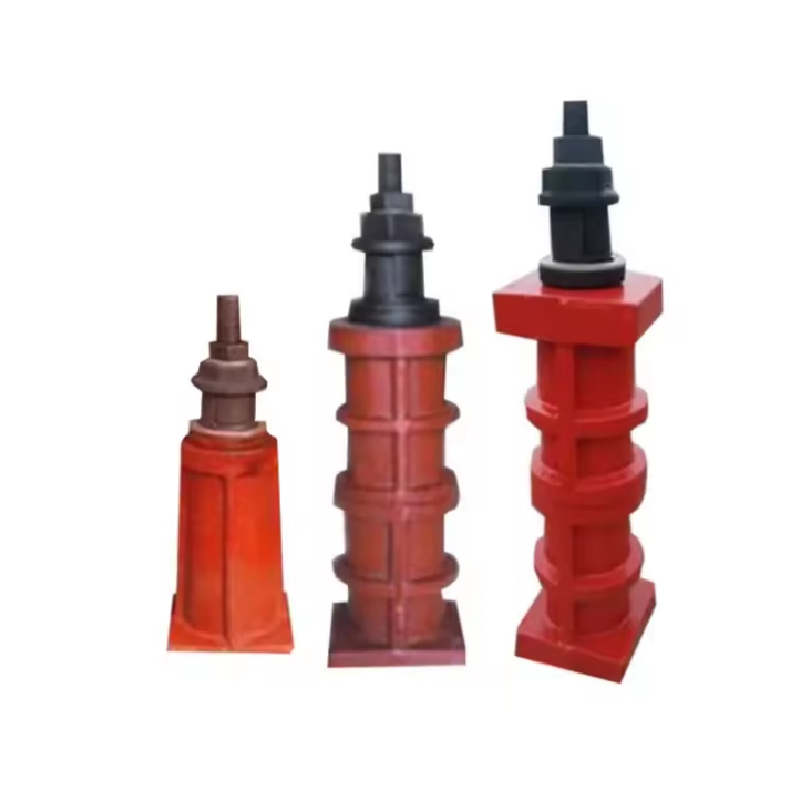
Versatile Clamps for Efficient Fabrication Table Solutions and Secure Workholding
fabrication table clamps .

Water Supply System Check Valve Inspection and Maintenance Guide
Understanding Water Main Check Valves Importance and Functionality Water main check valves play a cr
 English